Dance Studio offering lessons in Ballet, Pointe, Tap, Jazz Funk, Lyrical, Creative Movement, and More to students in the Greater Gardner, North Central MA - Southern NH area including Baldwinville, Templeton, Ashburnham, Hubbardston, Athol, Winchendon, Westminster & Rindge.


Age Ranges are guidelines based on student age 9/11/26
Final placement is at the directors’ discretion
If you don’t see what you are looking for, request a class!
We would be happy to schedule a daytime class for your homeschool or daycare group.



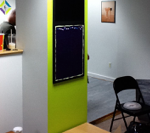


Saturday
10:00 Tiny Tots Combo (2 - 3)
10:30 Preschool Combo (3 - 4)
11:15 Primary Ballet/Tap or Tap/Jazz Combo (5 - 6)
Make your own class! Ballet, Tap, and Jazz will be offered.
Students may register for Ballet/Tap or Tap/Jazz as a
single class, or all three for a special discounted rate!
Tuesday
6:00 Reserved
6:45 Reserved
7:15 Reserved
Monday
5:45 Elementary Ballet (7 - 9)
6:15 Elementary Tap (7 - 9)
6:45 Elementary Jazz (7 - 9)
7:15 Adult Ballet
Thursday
5:45 Teen Ballet / Pointe*
6:45 Teen Lyrical
7:15 Teen Jazz
7:45 Teen Tap
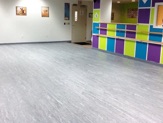
All classes are taught on a floating, “sprung” dance floor with a professional grade surface designed for safety and protection of the dancer.
Why’s That?
True spring dance floors have the right amount of resilience to them. dancing on concrete underlayment or even on a plywood underlayment over traditional joists results in the body absorbing the energy of that impact. A true sprung, “floating” floor means that every point on the dance surface is separated from the sub-floor, which makes for flooring that helps to prevent injury and is predictable. As it is non-slip, the top surface enables the dancers to concentrate solely on performing well. A poor dance floor can create many physical problems because they allow no “give”. A proper floor absorbs energy, preventing overuse injuries.
Why is this important?
The impact force with which the foot strikes the ground will rebound off the surface and vibrate up through the body as an energy shock wave. This shock wave effects muscles, tendons, ligaments, and leads to joint trauma at the ankle, knee, hip and lower back. According to sports medicine experts, the body feels three times its weight in pressure with each foot-fall while running and up to seven times its weight when it jumps. Regularly jumping on an improper floor can result in shin splints, sprains, or worse.

*Subject to instructor approval. Pointe Students must be enrolled in a Ballet Technique class.
**Subject to instructor approval.
***Reserved.
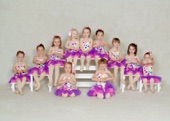
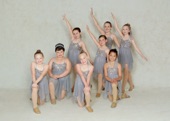
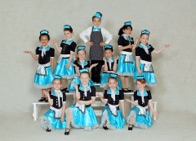
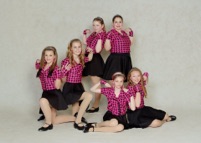
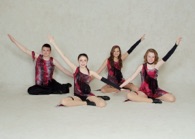
* Professional Portraits on Site Appear Courtesy of Natural Expressions Photography *
Classes may be added, cancelled, or moved based on interest during Aug-Sep.
Refresh this webpage for the most recent schedule!**Updated 08/03/26**
Wednesday
5:45 Junior Ballet (10 - 13)
6:15 Junior Tap (10 - 13)
6:45 Junior Lyrical (10 - 13)
7:15 Junior Jazz (10 - 13)
7:45 Adult Tap
Schedule subject to change
Classes may be added, deleted, or combined as needed

We use a family-based tuition structure rather than charging separately per child. This allows many families to save significantly when enrolling multiple dancers or multiple classes.
Single class rates start at $55 per month.